


“RESET stabilizes you. RHYTHM organizes you.
RESET interrupts chaos. RHYTHM prevents it.”
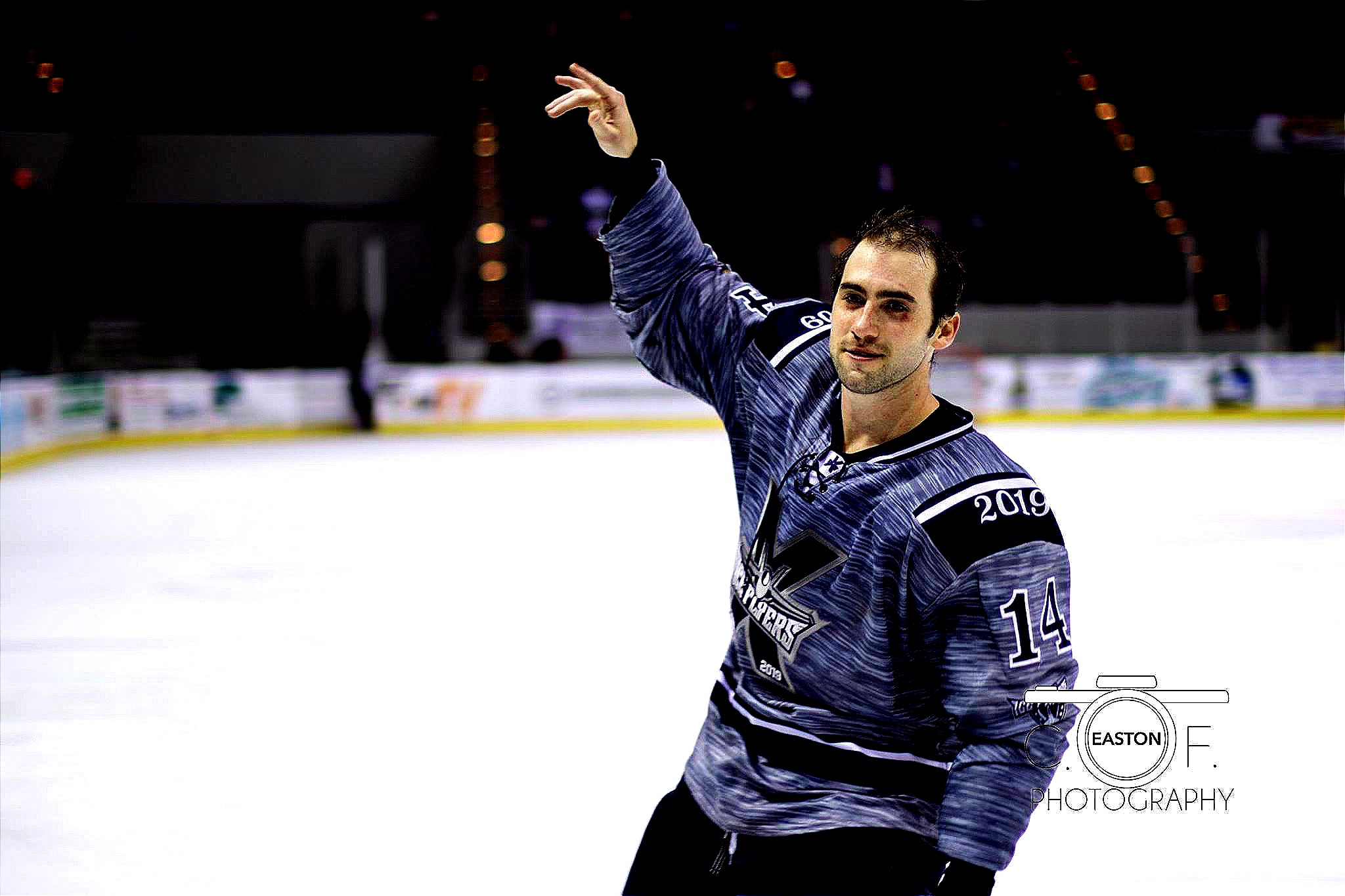
What’s up y’all! Draps here.
I co-create The Inner Rink—a weekly practice on the psychology of performance, discipline, and greatness, on and off the ice.
I’m a pro hockey player turned writer and mentor—here to be the guy I wish I had when I was chasing the dream.
Between Shifts is a mental conditioning system inside The Inner Rink.
RESET was Level 1.
RHYTHM is Level 2.
This is where discipline compounds.
This is where we stop reacting to tempo and start setting it.
This is where today’s practice begins.
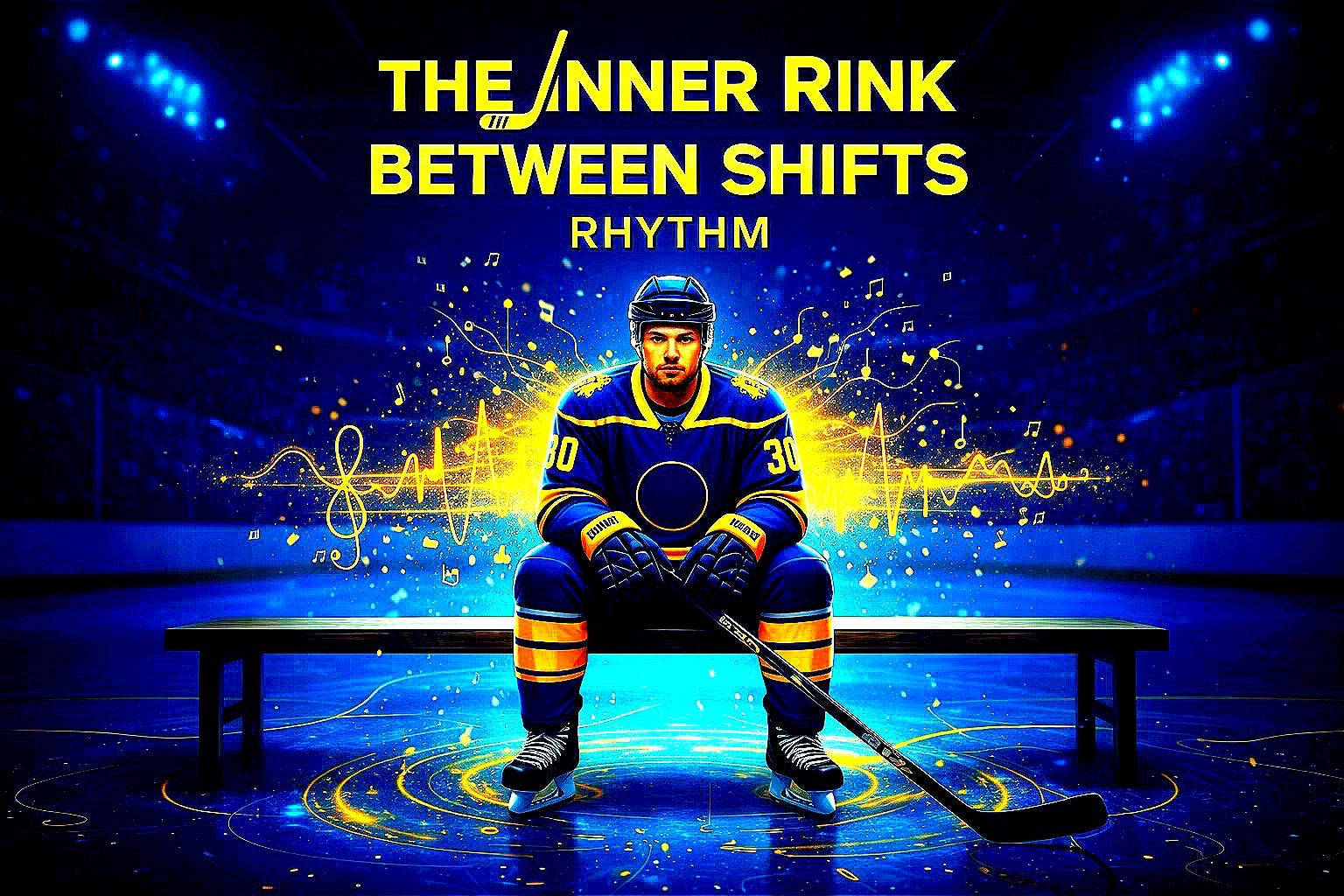
What RHYTHM Is
RHYTHM is controlled tempo.
It’s the ability to decide how you move before pressure decides for you.
Most players don’t break because they lack skill.
They break because they spike and crash.
Too high after wins.
Too low after mistakes.
Too fast when it speeds up.
Too drained when it matters.
RHYTHM is stability in motion and emotional regulation.
What Most Players Miss
They train effort. They don’t train recovery.
They train intensity. They don’t train tempo.
Performance isn’t just about how hard you go. It’s about how clean you regulate.
RHYTHM teaches you to:
Control emotional amplitude.
Breathe under load.
Earn your effort.
Respect Recovery.
Think seasons, not days.
RESET protects identity. RHYTHM protects longevity.
A Pro Example
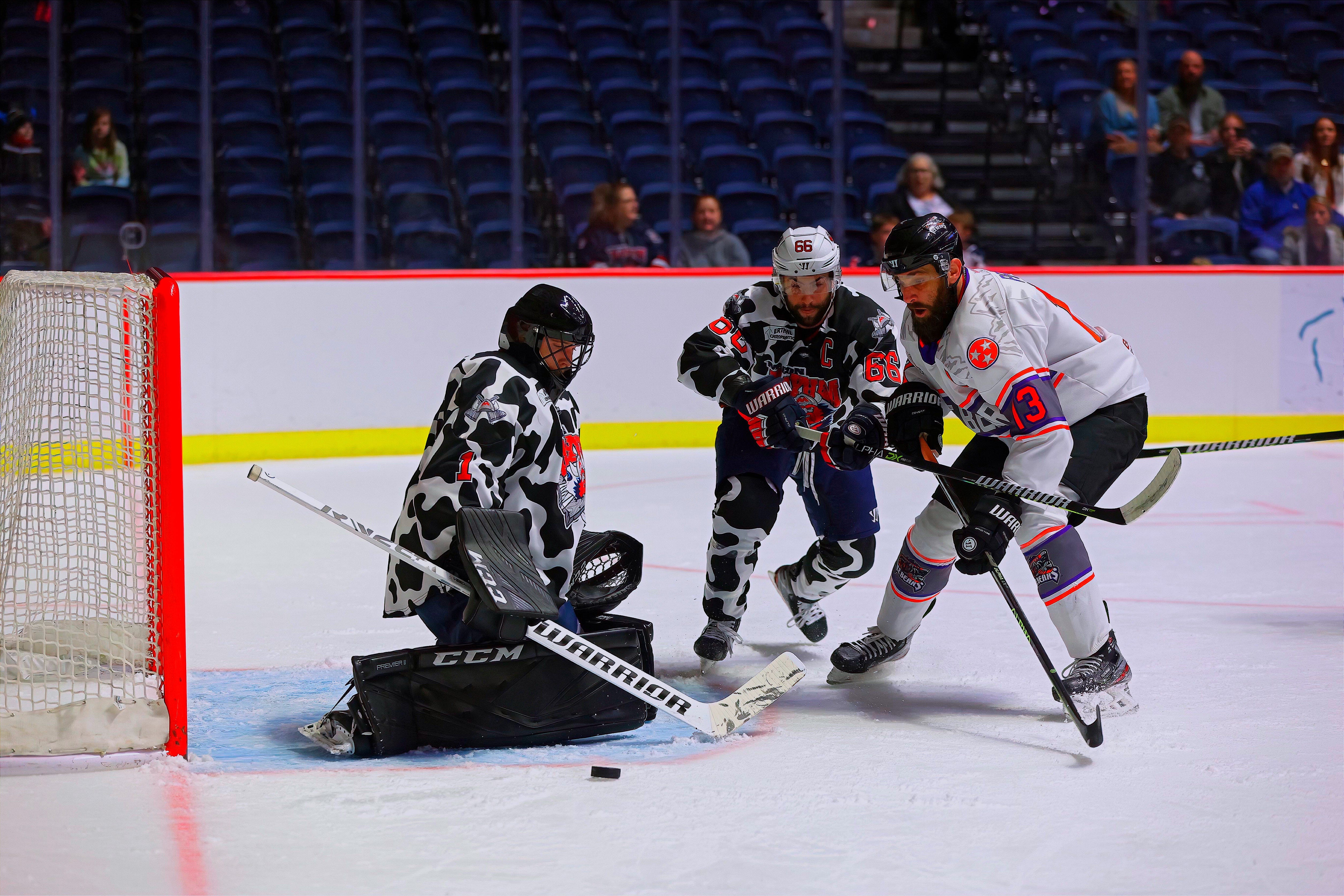
There was a stretch in my pro career where my ice time fluctuated hard.
One weekend I’m playing big minutes.
Powerplay.
Penalty kill.
Key situations.
The next weekend?
Short shifts.
Different roles.
Different line.
Early in my professional career, that would’ve wrecked me.
More minutes ➡️ Spike
Less minutes ➡️ Crash
You start chasing impacts.
Forcing plays.
Trying to prove something.
That’s not RHYTHM. That’s ego reacting to the tempo.
It took time to understand something simple:
My job wasn’t to match my emotions to my minutes. My job was to match my tempo to the game.
Same preparation.
Same breath.
Same energy.
Whether I played 22 minutes or 9. That’s when consistency stabilized.
RHYTHM isn’t about the day. It’s about the season.
Think seasons, not days.
The Practice
This is daily discipline. Not situational.
1. Set Your Internal Pace Early
Before the day starts, decide your tempo.
Slow breath.
Clear intention.
Controlled tone.
You don’t drift into RHYTHM. You choose it.
2. Earn Your Effort
Heavy day.
Moderate Day.
Light Day.
Stress ➡️ Recovery ➡️ Adaptation.
No recovery, no adaptation. Only accumulation.
3. Contain Emotional Amplitude
Feel everything.
Return to baseline deliberately.
Your habits, not your mood, run your performance.
4. Slow The Moment Under Pressure
When everything speeds up:
Exhale longer.
Lower your tone.
Narrow your focus.
Next action.
The athlete with RHYTHM doesn’t chase tempo. He sets it.

Jessica’s Perspective: Nervous System Literacy
RHYTHM is nervous system awareness.
Activation & Recovery.
Sympathetic & Parasympathetic.
Elite performance requires both.
Without recovery, stress compounds.
Without regulation, decision-making deteriorates.
Intentional cycling sustains performance. Accidental cycling drains it.
RHYTHM is biological discipline.
Beyond The Rink
RHYTHM applies everywhere.
Business.
Family.
Training.
Creative work.
Most people live in constant activation.
They spike.
They crash.
They burn out.
The calmest nervous system in the room sets direction.
Stability compounds.
Instability exposes itself.
Life isn’t won in a day. It’s navigated in seasons.

🧠Reader Reflection
Where in your life are you spiking and crashing?
Where are you overextending instead of regulating?
What would change if you set your tempo early instead of chasing it late?
Think seasons, not days.
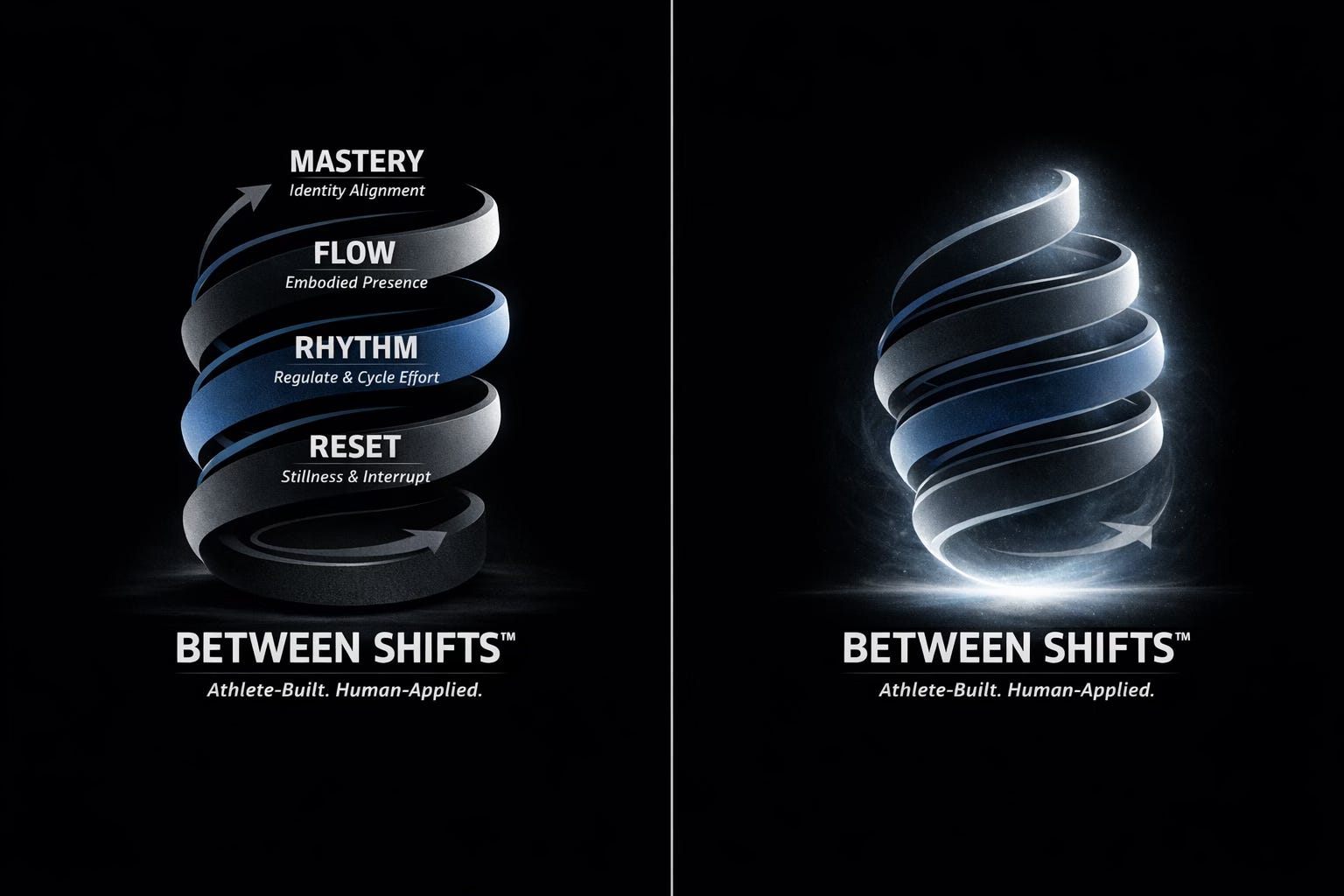
RHYTHM is Level 2 of the Between Shifts™️ Mental Conditioning System
FLOW is next.
And, FLOW is earned.
Final Thoughts
Most players think the game is decided by skill, speed, systems, or opportunity.
However, when you strip away the noise, it always comes down to one thing:
The Inner Rink.
Your identity keeps you steady.
Your tempo keeps you sustainable.
If you can regulate your pace when everything speeds up and if you can think seasons instead of reacting to days, you don’t just perform well—You last.
RHYTHM is how you stay in the game long enough to become who you’re capable of becoming.
Thank yourself for showing up to practice today.
— Joe Drapluk
The guy I wish I had when I was chasing the dream.
🥅Recent Articles
Becoming the Player You Needed

“You don’t become the player you needed by outperforming someone else. You become him when you stop measuring yourself against anyone else.”
🧊 The Post-Game Playbook: How Athletes Reclaim Identity After Their Career Ends

The hardest game doesn’t end with the final whistle. It begins when no one’s keeping score.
Between Shifts: RESET

“You don’t lose games because of mistakes. You lose them because you never let the last one go.”
DISCLAIMER
The Inner Rink shares educational content for athletes and readers interested in performance psychology, mindset, and discipline. It is not intended as medical, psychological, or therapeutic advice or to take the place of such advice or treatment from a personal physician. Always seek guidance from a qualified health care professional regarding your specific questions and individual situation.
You nailed the real delta most operators miss: intensity is easy, rhythm is the board that actually protects longevity. RESET guards the identity. The RHYTHM guards the machine. Nervous system as the true tempo control before pressure sets it for you. Well Written