


“You don’t become the player you needed by outperforming someone else. You become him when you stop measuring yourself against anyone else.”

What’s up y’all! Draps here.
I co-create The Inner Rink—a weekly practice about the psychology of performance, discipline, and greatness—on and off the ice.
I’m a pro hockey player turned writer and mentor—here to be the guy I wish I had when I was chasing the dream.
I’ve spent years training my mind the same way I trained my body.
Systems.
Skills.
Structure.
And then, the mental game behind all of it.
At every level (youth, junior, college, pro) I learned one truth:
Your mind decides your ceiling long before your skills ever do.
And sometimes the ceiling isn’t skill.
It’s identity.
Let’s begin.
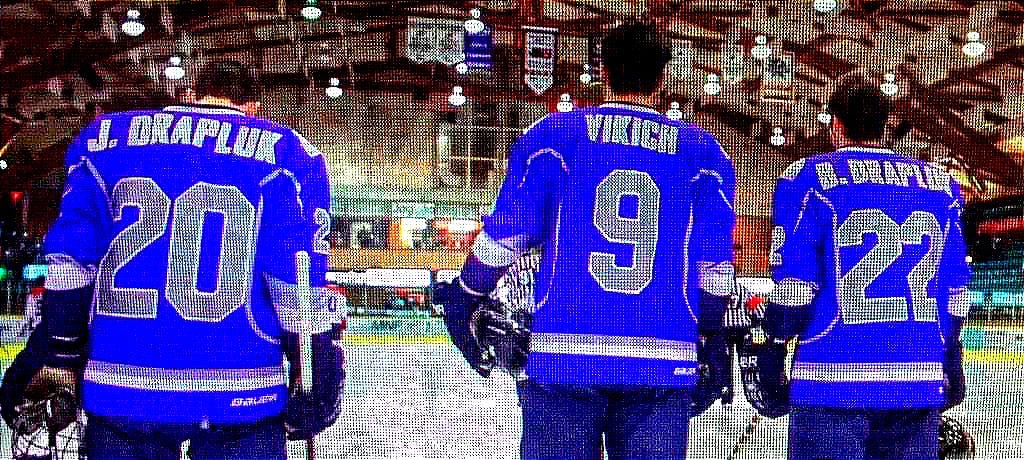
The Identity I Didn’t Realize I Was Carrying
For most of my life, I wasn’t just Joe.
I was one of ‘the twins.’
We trained together.
We played together.
Got compared together.
It wasn’t dramatic or negative (most of the time), just constant.
Side by side. Stacked. Measured.
Even when I didn’t consciously think about it, my identity was relational.
I wasn’t just me.
I was me, in comparison.
The Shift
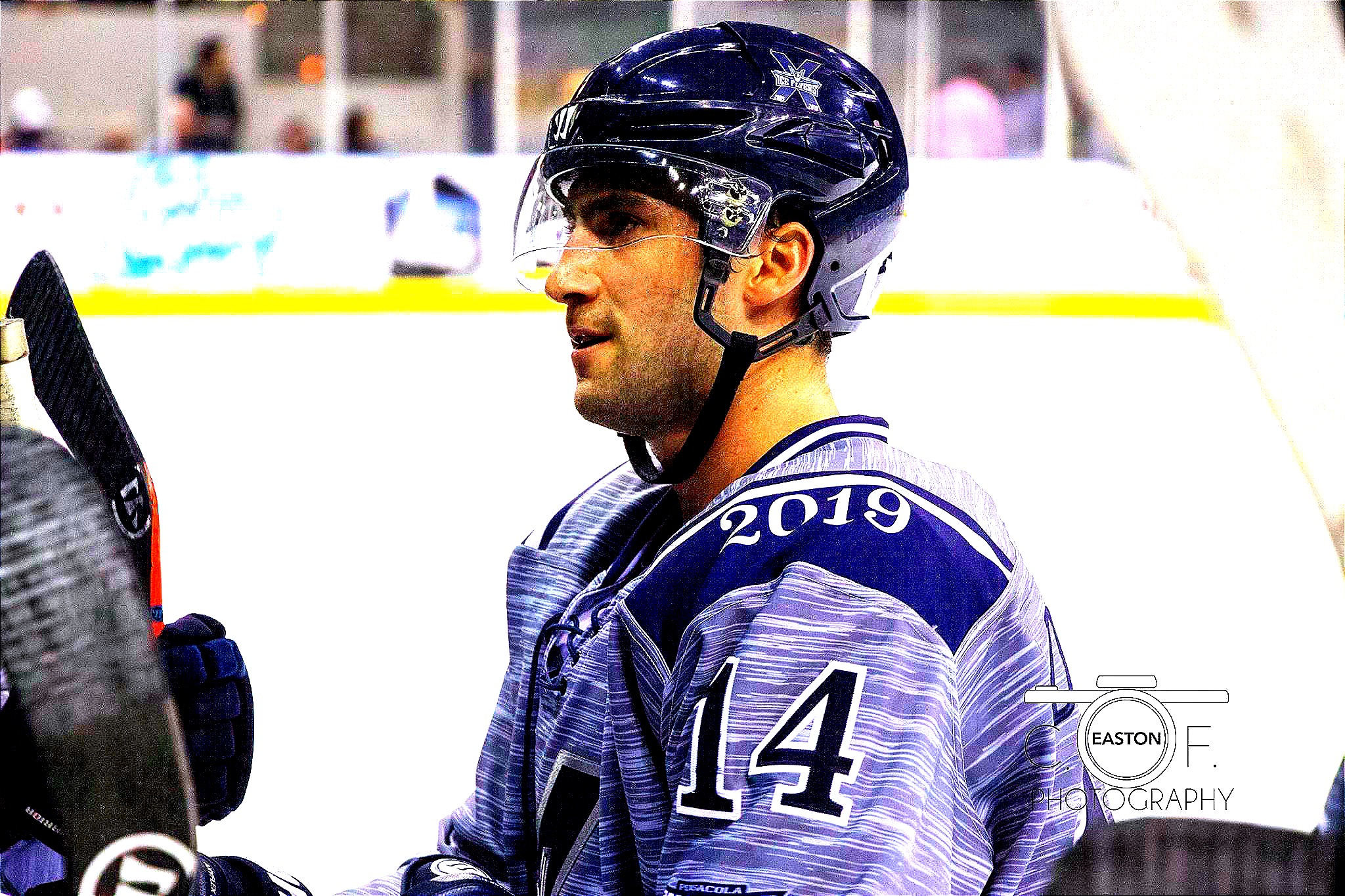
When my brother retired and I went pro, something changed.
For the first time in my life, I walked into a locker room where no one knew “the twins.”
They only knew me.
No shared narrative.
No automatic comparison.
Nu built in lens.
Just my name on the back of the jersey. And what I felt wasn’t loneliness, it was clarity. It felt like I was finally being seen.
But more importantly: I was finally seeing myself.

What Actually Changed
I didn’t become more skilled, louder, or become someone new.
I finally stopped processing myself through comparison.
The subtle measuring stopped. The framing stopped. And without that noise, something became obvious:
I had always known who I was. I just couldn't hear it clearly. When the comparison disappeared, the clarity surfaced. Not ego.
Clarity.

Jessica’s Perspective- Identity & Nervous System
When identity is constantly shaped through comparison, the nervous system stays subtly activated.
You’re scanning, measuring, adjusting.
Even if it feels normal.
Relational identity keeps you externally referenced. And when the reference point shifts- a sibling retires, a teammate leaves, a role changes- your sense of self can feel unstable.
Internal identity is different.
It doesn't depend on position.
It doesn’t depend of comparison.
It doesn't spike and crash with circumstance.
When identity becomes internal, regulation becomes easier.
Clarity replaces tension.
Performance becomes cleaner.
Comparison Distorts Identity
Even healthy comparison distorts perception.
When identity is constantly referenced against someone else;
a sibling
a teammate
draft class
a depth chart
you process yourself relationally.
Relational identity feels stable…until the relationship shifts. Then you either feel lost, or free.
Freedom comes when identity is internal.
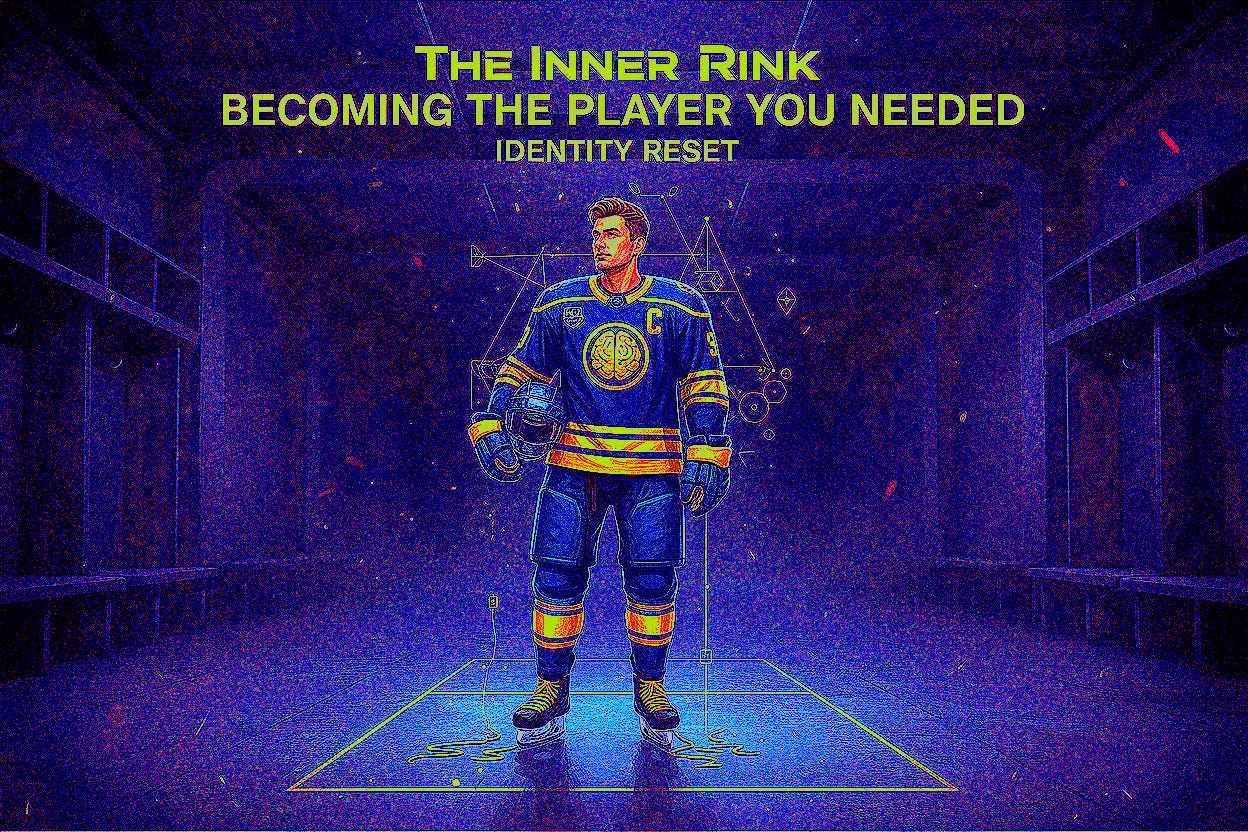
Becoming the Player You Needed
When I was younger, what I needed wasn’t more validation.
It wasn’t more coaching time. And it wasn’t more ice time.
I needed to be individually defined. But no one could give me that.
Identity isn’t granted. It’s claimed.
I didn’t become the player I needed when I went pro.
I became the player I needed when I stopped defining myself through someone else’s lens.
This isn’t just about Twins
This applies to:
Players stuck behind veterans
Athletes constantly being compared to siblings or teammates.
Pros measured against draft positions
Anyone living inside someone else’s shadow.
Anyone grouped into a label that blurs individuality.
At some point, you have to ask:
Who am I without comparison? Not better than. Not behind. Not next to.
Just, Who am I?
That’s the player you needed.
🧠 Reader Reflection
Where in your life are you still defining yourself through someone else?
Where are you processing yourself relationally instead of internally?
If the comparison disappeared tomorrow…
who would you be?
That’s your Inner Rink speaking.
The Next Evolution
When identity becomes internal, something shifts. You stop competing for space in the room and you start stabilizing it.
You’re not trying to be seen. You’re steady. You’re accountable.
You don’t spiral.
You don’t react.
You don’t need validation.
You hold your ground.
And quietly, without announcement, you begin becoming something else.
Not just the player you needed.
The teammate you once wished you had.
The Total Teammate.

Final Thoughts
Most players think growth comes from competition.
Sometimes it does, but sometimes growth comes from silence. From separation. From the removal of comparison.
You don’t become the player you needed by outperforming someone else. You were always there.
Sometimes you just need the noise to fade.
That’s the Inner Rink.
Thank yourself for showing up today. I’ll see you next time.
—Joe Drapluk
The guy I wish I had when I was chasing the dream.
🏆Up Next in The Inner Rink:
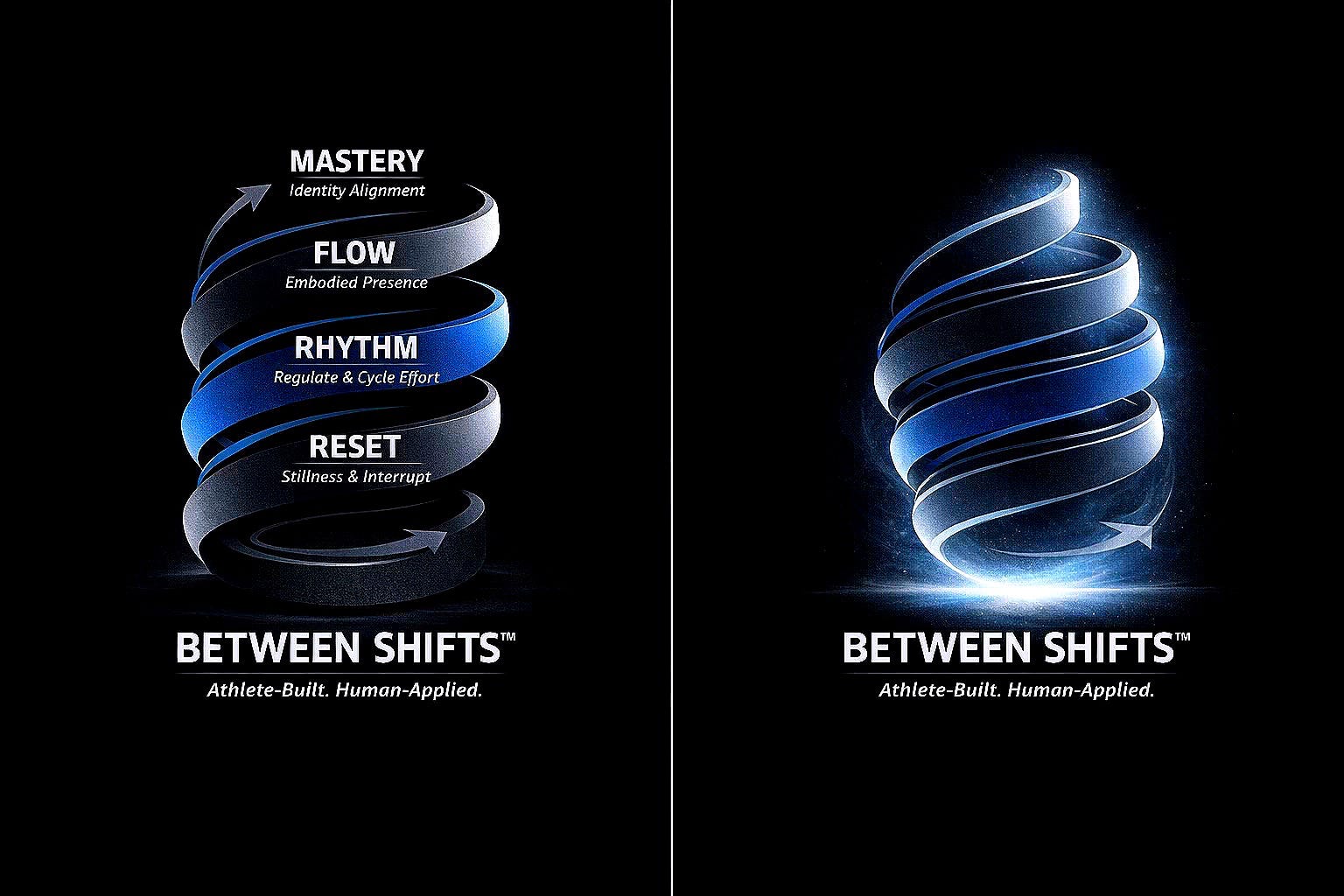
Between Shifts: RHYTHM
A practice for controlling tempo when everything speeds up. RESET protects who you are. RHYTHM decides how you move.
DISCLAIMER
The Inner Rink shares educational content for athletes and readers interested in performance psychology, mindset, and discipline. It is not intended as medical, psychological, or therapeutic advice or to take the place of such advice or treatment from a personal physician. Always seek guidance from a qualified health care professional regarding your specific questions and individual situation.
💪🏼
Great piece, definitely gave me a lot to think about.