


THE INNER RINK SEASON 2 PRACTICE 001
“You don’t have to want it less. You have to learn how to want it without losing yourself in the wanting.
What’s up y’all! Draps here.
I co-create The Inner Rink — a practice about the psychology of performance, discipline, and greatness on and off the ice.
I’m a pro hockey player, writer, and mentor — here to be the guy I wish I had when I was chasing the dream.
After more than a year away from the ice, I’m back playing professional hockey.
Welcome to Season Two of The Inner Rink. The Inner Rink - LIVE.
Season One was about building the foundation.
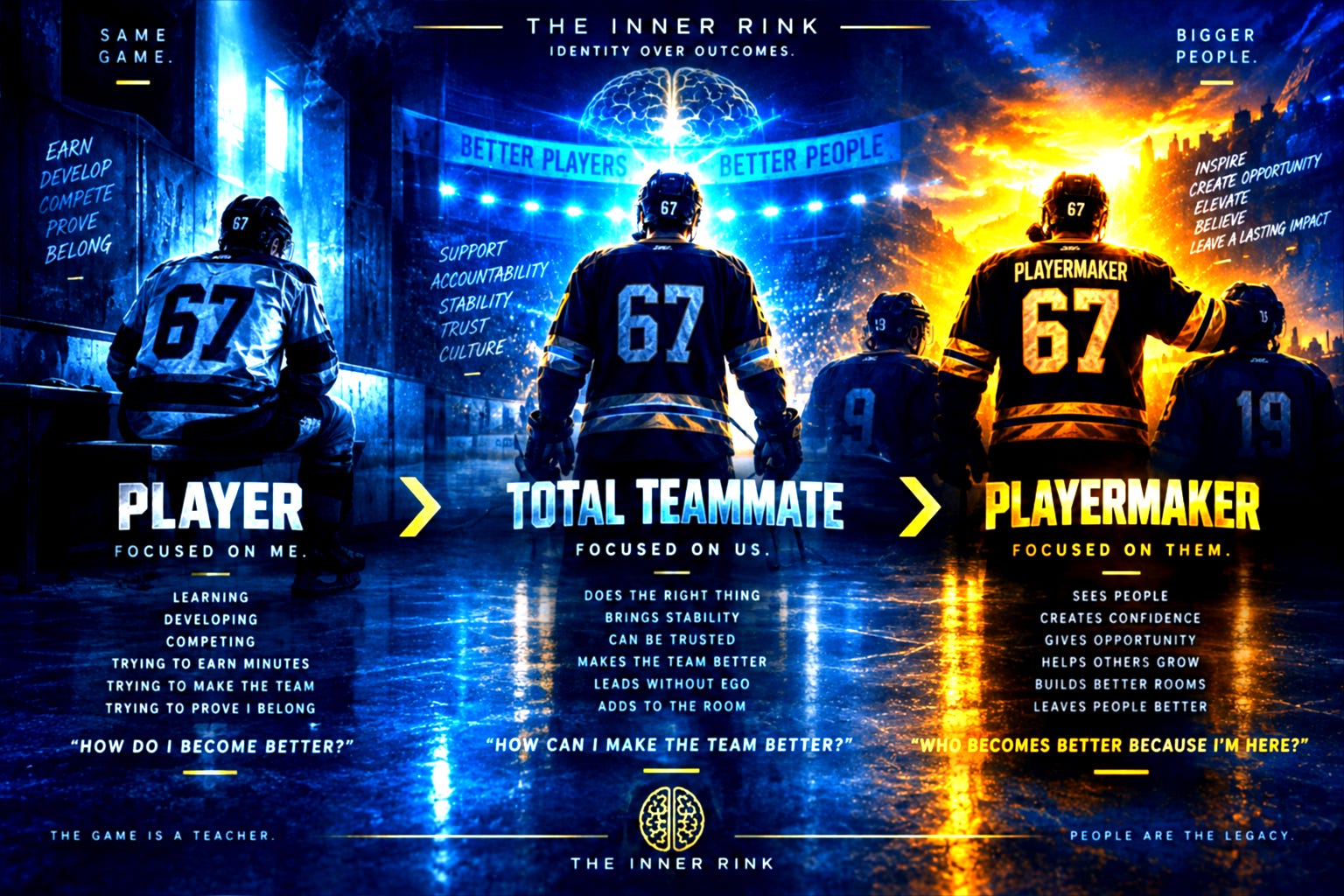
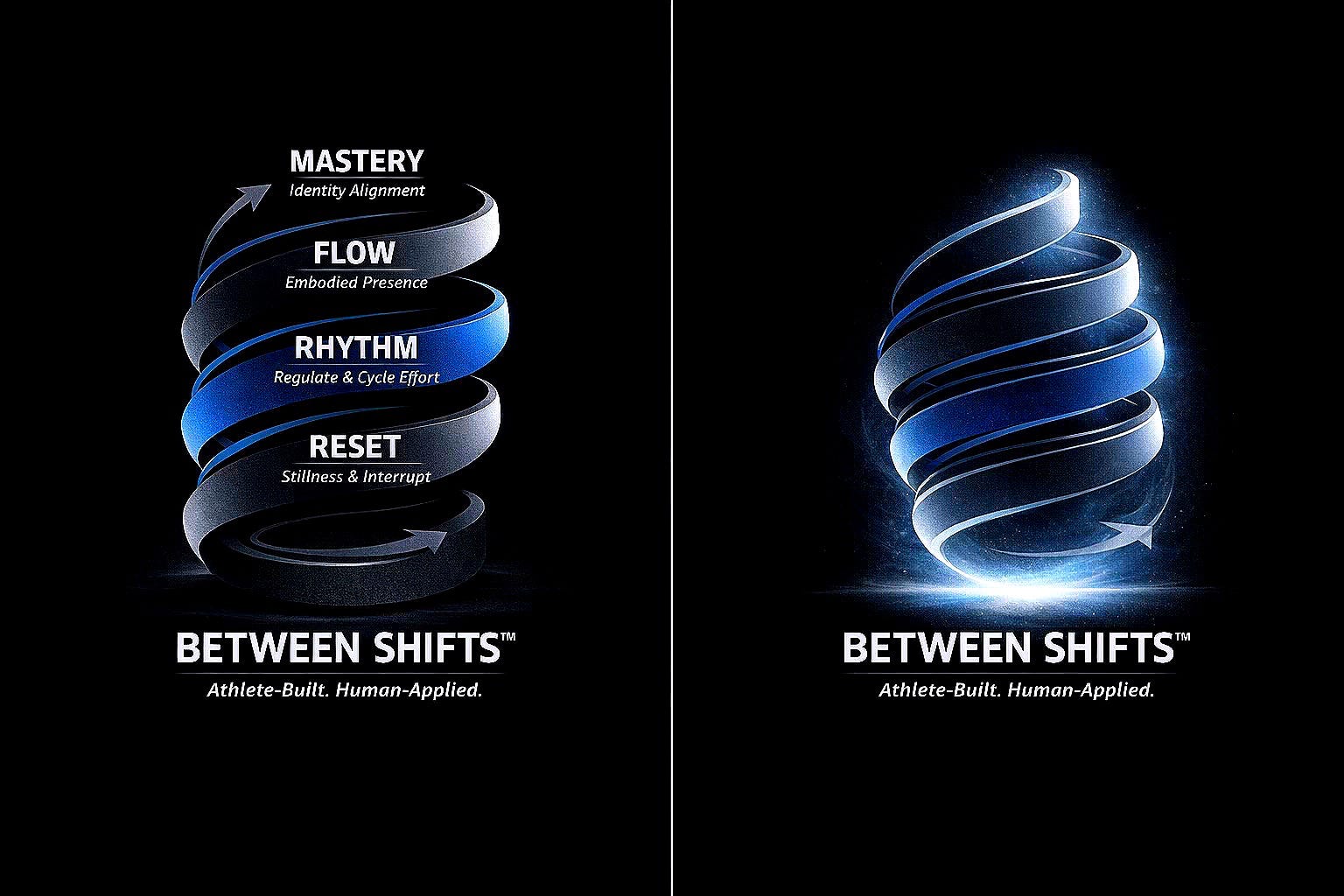
Learning to RESET when things get chaotic. Finding our RHYTHM when the pressure starts building. Trusting ourselves through FLOW. And understanding MASTERY - when our mind, body, and identity stop fighting each other.
We explored what it means to become a Total Teammate. And eventually, a PlayerMaker.
But there’s something about all that work.
It’s one thing to understand it. It’s another thing to live it.
And that’s where Season Two begins.
Not with a story from years ago. Not with an experience I’ve already had time to make sense of. But with something I’m living right now. A return to professional hockey.
New city.
New team.
New opportunity.
And a whole lot happening inside the Inner Rink. This season, we’re bringing the practices into the experience itself.
The good moments.
The difficult ones.
The uncertainty.
The emotions.
The lessons we don’t always recognize until we’re right in the middle of them.
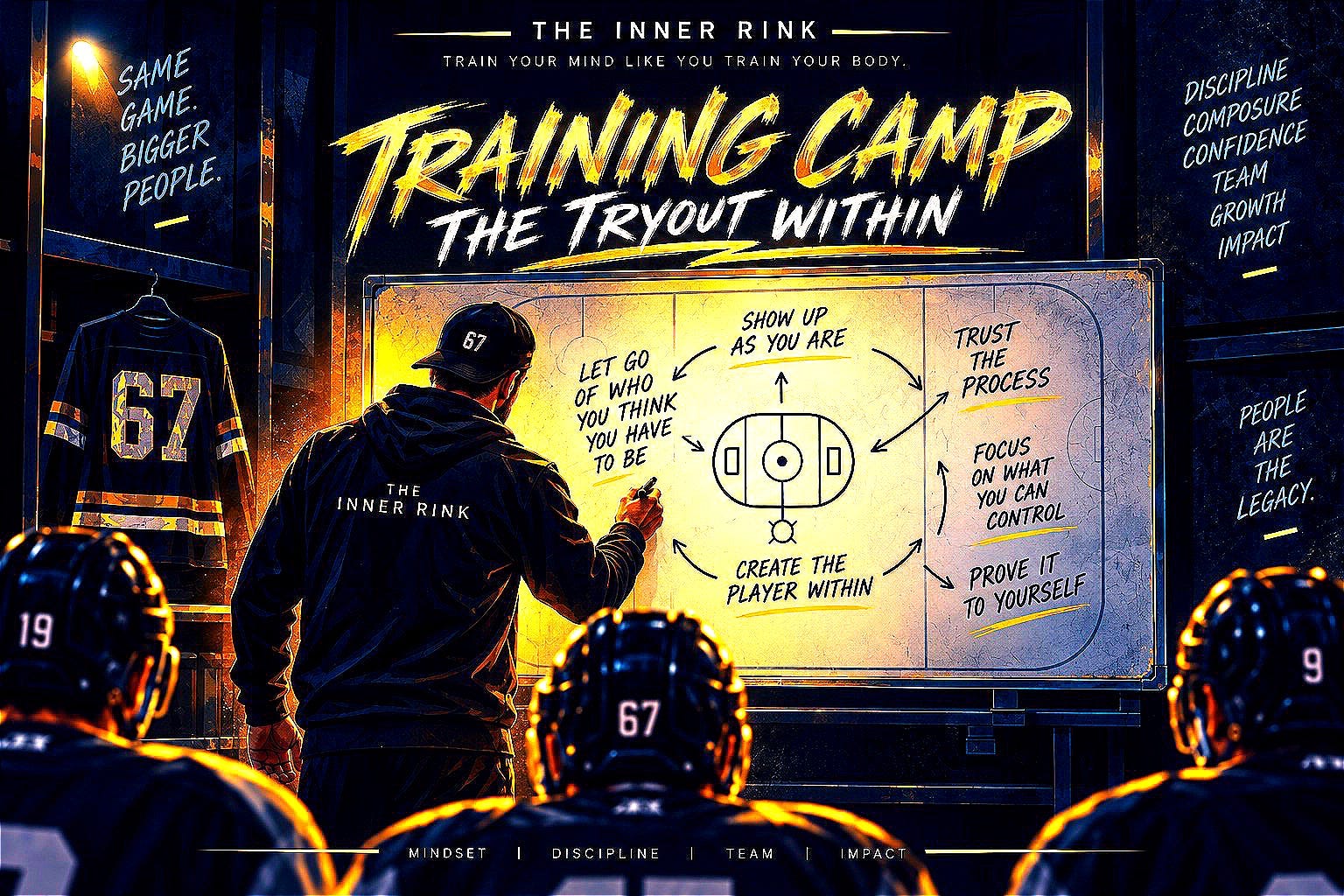
The Inner Rink isn’t something we only practice when things get difficult. It’s something we carry into everything we do. And what better place to begin than training camp?
This is where today’s practice begins.
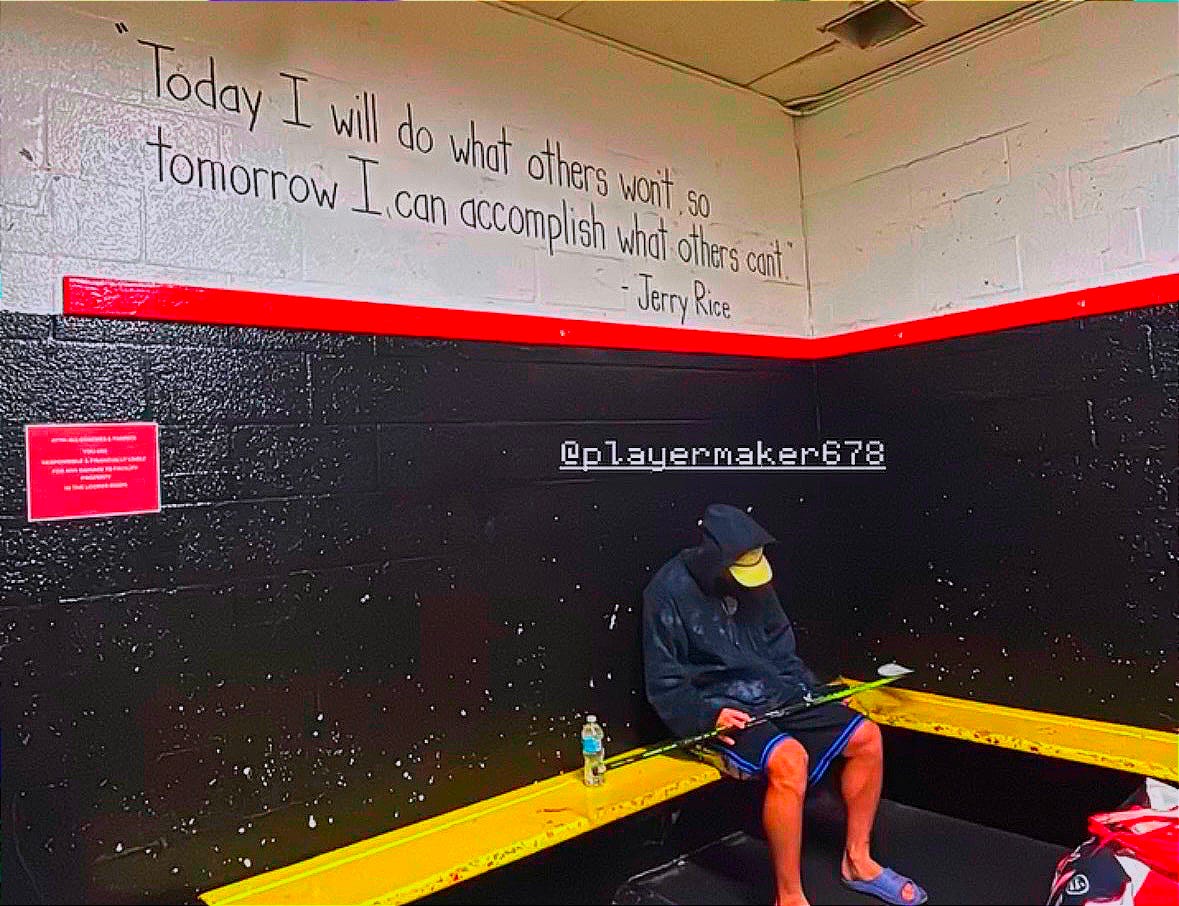
Leaving Home
There’s a part of professional hockey that doesn’t show up on a stat sheet.
The leaving. Packing your belongings.
Saying goodbye to the people and places that make you feel like yourself. Getting in the car and heading somewhere that hasn’t become home yet.
This season brought me to Baton Rouge LA, and an opportunity with the Baton Rouge KingFish.
New surroundings.
New teammates.
New coaches.
A new locker room.
Even though I have been through this process before, there’s something about starting over that always makes you look inward. You leave behind what’s familiar. But you bring with you everything that you’ve become.
The experiences.
The lessons.
The confidence.
The doubts.
The work nobody else saw.
And somewhere between leaving home and walking into that new locker room, you realize something. You aren’t starting from nothing.
The environment might be new. But the person entering it has been preparing for this moment for years. And this time, that experience mattered more than ever.
A Year Away From the Ice
There was another part of this training camp that made it different for me.
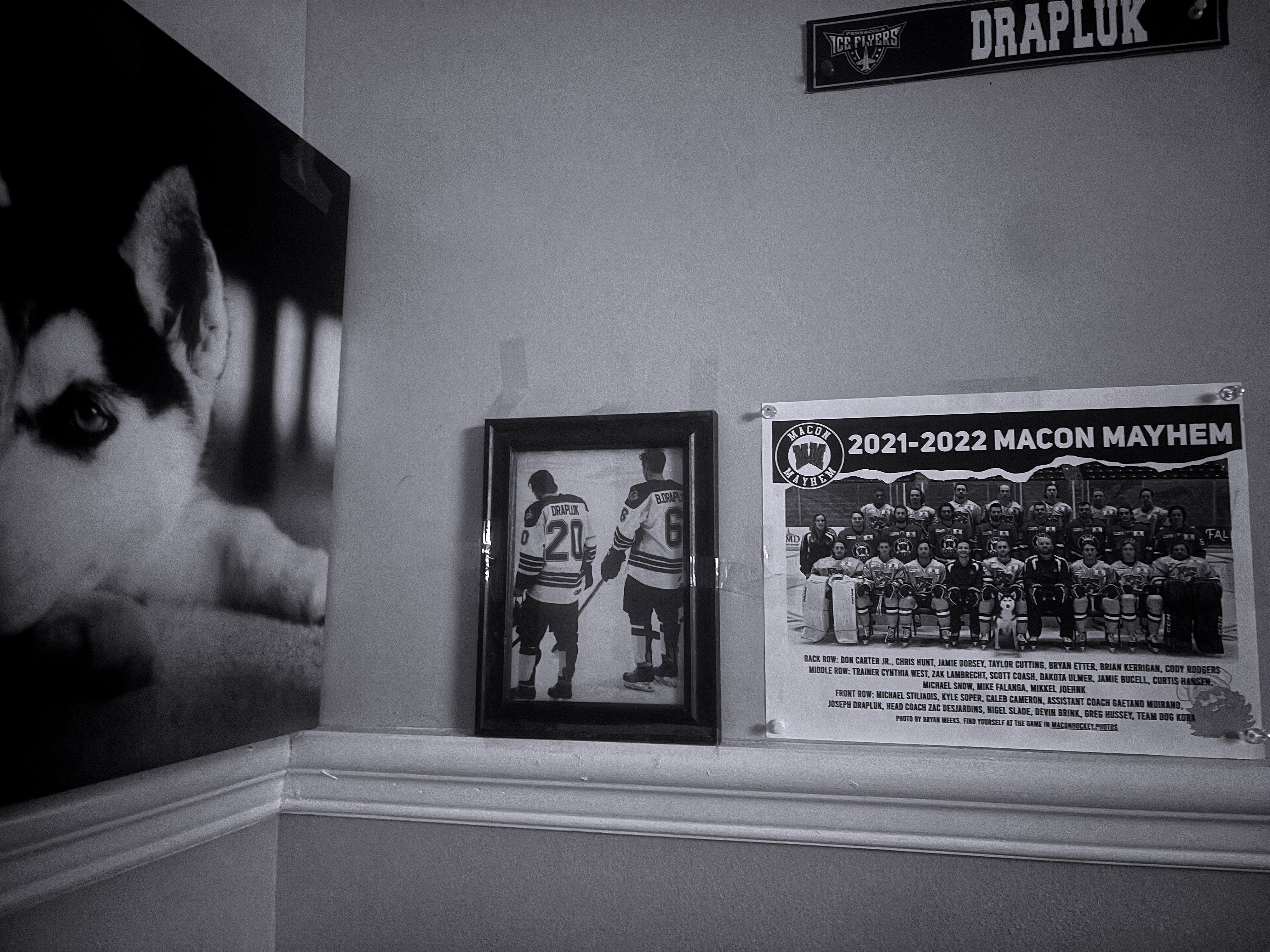
I hadn’t skated in over a year. Haven’t really been a part of a pro hockey team in two years. 2 major injuries that led to surgeries that kept me out of the game for over another year prior to all of that. Overcoming a drug addiction that should’ve probably killed me. The list goes on.
I’ve spent most of my life playing hockey. It’s something I’ve done for so long that, at times, it feels like an extension of who I am.
But now I was stepping back into a professional hockey environment after more than a year away from the ice. And there’s a lot that comes with that.
The physical side is one thing.
Getting your legs back.
Finding your timing.
Getting comfortable with the puck.
Adjusting to the speed.
But then there's everything happening inside your head.
The expectations. The comparisons.
The memories of the player you were.
The uncertainty about the player you are right now.
And that familiar temptation to try to make everything happen immediately.
That’s where my own Inner Rink came into play.
I wasn’t just trying to make a hockey team. I was returning to something that had been such a big influence in my life. But you can’t make up for over a year away from the ice in one practice. You can’t force your timing back. You can’t rush your way into FLOW. And you certainly can’t think your way into becoming the player you remember being. You have to allow yourself to return.
One practice.
One drill.
One shift.
One day at a time.
I didn’t need to prove that I was still the player I used to be. I needed to give myself the opportunity to discover the player I am now.
And I wasn’t the only one navigating that kind of internal pressure.
The Tryout Within
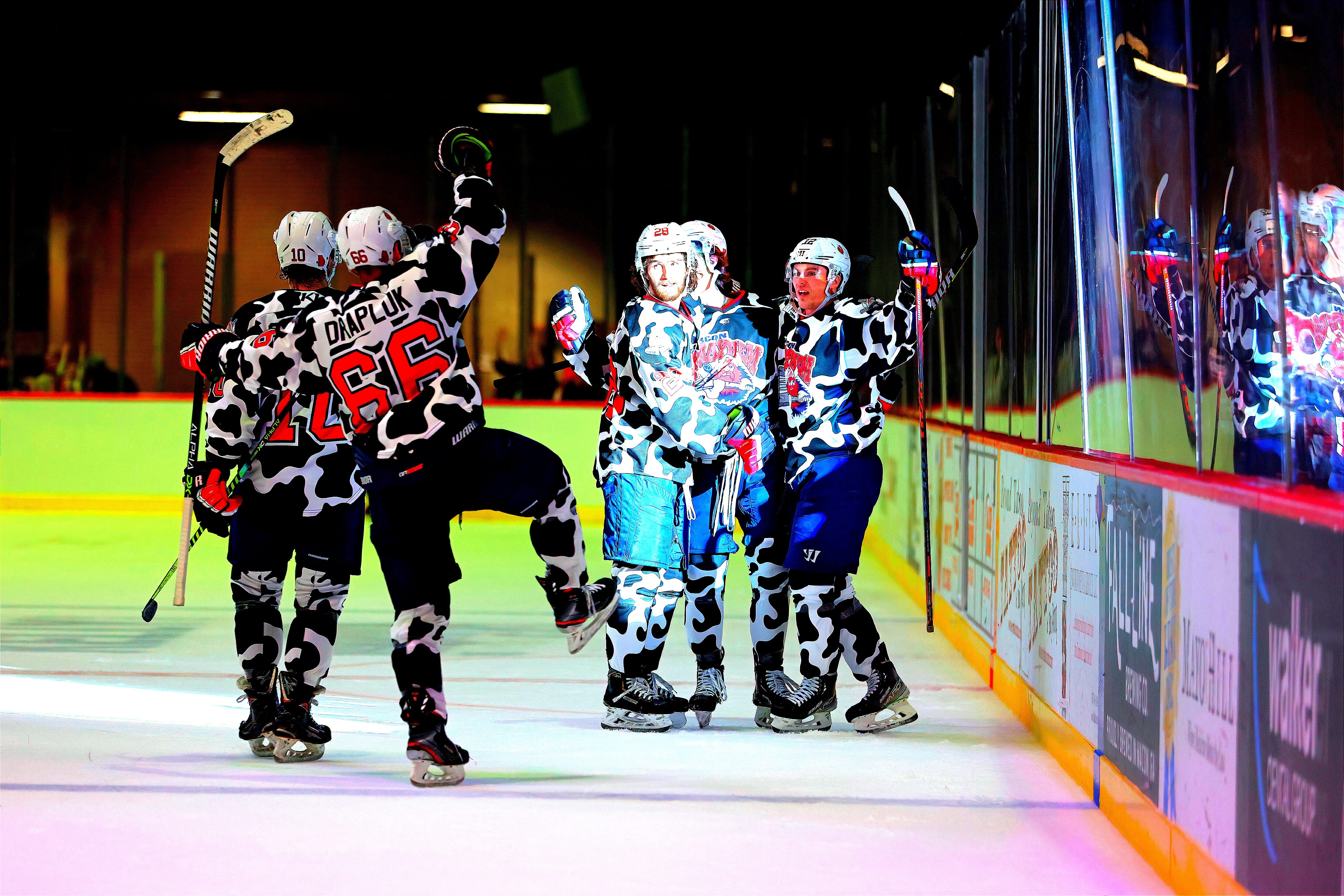
Training camp is an interesting environment. Everybody arrives with a story.
Some players are returning. Some are rookies and trying to earn their first professional contract. Others are trying to prove they still belong.
Different backgrounds. Different expectations.
The same limited number of roster spots. And everybody knows it.
You’re trying to become part of a team while competing with the very people you’re trying to become teammates with. You’re trying to show the coaches what you can do.
Learn systems.
Understand expectations.
Make a good first impression.
And somewhere in the middle of all that, you’re still trying to just play hockey. The game you’ve spent your entire life learning to love.
The moment you start trying to become the player you think everyone wants, you risk forgetting the player you actually are.
That doesn’t mean you shouldn’t listen. It doesn’t mean you shouldn’t adjust. And It definitely doesn’t mean you shouldn’t compete.
It means there’s a difference between adapting your game and abandoning your identity.
A coach might ask you to play a different role.
A system might require different habits.
A team might need something you haven’t been asked to provide before. That’s professional hockey.
Growth requires adjustment. But adjustment doesn’t have to mean losing yourself.
Sometimes the greatest confidence you can bring into a tryout is knowing exactly what you offer while remaining willing to learn.
A couple conversations during camp made me think about that even more.
When Wanting It Becomes the Problem
I had multiple players come up to me throughout camp and start talking about how badly they wanted to make the team.
How much they wanted to be there. How they would do anything to earn a spot. And I could tell they meant it. And part of me felt the same way as them.
They weren’t necessarily asking me for advice. The conversations flowed organically and it felt like they just needed someone to talk to.
Someone who understood what they were going through. And I did. Because I’ve been there.
I’ve wanted opportunities so badly that I started thinking more about what I needed to do to get them than what I actually needed to do to play my game.
But as I listened to these players, something stood out to me. Something that I’ve experienced myself as well.
I started wondering whether the very thing they wanted so badly could become the thing that made it harder for them to get.
Not because they didn’t deserve it.
Not because they weren’t good enough.
And not because wanting something badly is wrong.
Sometimes we become so attached to an outcome that we stop allowing ourselves to experience the process.
We start overthinking. Overanalyzing.
Trying to say the right things.
Trying to do what we think the coaches want.
Trying to become the player we believe the organization is looking for.
And somewhere between all of that…
We forget to just be the player we already are.
We all want to be accepted. We want the coaches to believe in us. We want our teammates to respect us. We want to feel like we belong.
But what happens when that desire for acceptance starts controlling how we show up? What happens when we’re so concerned about earning a spot that we stop trusting the very qualities that brought us to camp in the first place?
That’s when the tryout becomes something more than a competition on ice.
It becomes a competition inside our own minds.
The Tryout Within.
And while I was recognizing that possibility in the players around me, I had to keep recognizing it in myself.
Returning to My Identity
Here’s something that made this training camp different from the ones I’ve experienced before.
I wasn’t just returning to professional hockey after more than a year away from the ice. I was returning with a different understanding of who I am.
I’m a PlayerMaker.
It doesn’t mean I don’t experience doubt.
It doesn’t mean every shift feels perfect.
It doesn’t mean I don’t get frustrated when my timing is off or when things aren’t coming together as quickly as I’d like.
I still have my own Inner Rink.
My own noise.
My own expectations.
My own moments when I start thinking too much instead of just playing. But there’s something I keep coming back to when those blockages show up.
My identity.
Because I know the player I am.
I know what I bring to a locker room.
I know the teammate I can be.
And I know that none of those things disappear because I haven’t skated in over a year.
That doesn’t mean I don’t have work to do. Of course I do.
I have to get my timing back.
Find my legs. My hockey lungs.
Adjust to the speed. Learn the systems.
Earn the trust of my coaches and teammates.
But I don’t have to earn my identity all over again. That’s already been built.
And that’s one of the biggest lessons I’ve taken from Season One of The Inner Rink.
RESET helps me recognize when I’m getting caught in my own head.
RHYTHM helps me return to my tempo instead of rushing to make up for lost time.
FLOW reminds me to trust my instincts and let the game come to me.
MASTERY reminds me that who I am doesn’t have to change with every shift.
Being a PlayerMaker gives all that work a purpose beyond myself. Because even when my own game isn’t exactly where I want it to be, I can still make somebody else’s game better.
I can still bring energy.
I can still encourage a teammate.
I can still listen.
I can still recognize when somebody else is dealing with the same pressure I’m feeling.
That’s what stood out to me when those players started opening up about how badly they wanted to make the team.
I understood them.
I was navigating my own version of that same pressure.
But I also had something to return to.
Not a guaranteed roster spot.
Not a promise that everything would work out.
An identity that didn’t depend on either one.
Maybe that’s what being a PlayerMaker really looks like when the game gets difficult. Not being the person who never experiences doubt. But being the person who know how to return to themselves when doubt appears.
The Difference Between Earning It and Forcing It
There’s a difference between working for something and forcing something.
Working for it means preparing.
Competing. Listening.
Learning. Making adjustments.
Giving everything you have.
Forcing it is different. Forcing it is when your attention moves away from the game and toward the outcome.
When every shift becomes an audition. Every conversation becomes an opportunity to impress. Every mistake becomes evidence that you might not belong. And every other player becomes someone you have to beat just to feel secure.
That’s exhausting. And it can take you further away from the version of yourself that performs best.
Here’s something that I’ve learned.
You don’t have to become somebody else to give yourself the best opportunity to succeed.
You can learn a coach’s system without losing your instincts.
You can accept a different role without losing your identity.
You can compete against other players without losing your ability to be a good teammate. And you can want a roster spot more than anything without allowing that roster spot to determine how you feel about yourself.
That’s not a lack of ambition. That’s learning how to compete without internal resistance.
That’s MASTERY. And it brings me back to something we’ve practiced before.
FLOW > FORCE
Trust your preparation. Trust your instinct.
Trust the work you’ve already put in. And when the opportunity comes, let yourself play.
That doesn’t mean standing around waiting for something to happen. It means doing everything within your control and allowing the outcome to unfold without constantly fighting it in your head.
Be yourself.
Believe in yourself.
Let your game speak.
Understand that sometimes an opportunity isn’t the right fit. That doesn't automatically mean you failed. It doesn’t mean you weren’t good enough. It just means that particular opportunity didn’t come together.
You can be disappointed.
You can learn from it.
You can keep chasing the dream.
But you don’t have to lose yourself trying to convince someone else that you belong. Sometimes the hardest reminder of that comes from watching what happens to the people around you.
When the Opportunity Becomes Bigger Than You
There’s another part of this training camp experience that I’ve been thinking about.
One of the players who was one of the key reasons that I decided to come to Baton Rouge in the first place ended up getting released at the end of camp.
Think about that. Someone who played a huge part in bringing me toward this opportunity was no longer going to be part of it.
That’s professional hockey. It’s a business.
There are roster spots to fill.
Decisions to be made.
Different roles.
Different expectations.
Sometimes those decisions don’t go the way we hoped. But understanding how the business works doesn’t mean there aren’t emotions attached to it.
These aren’t just names on a roster. They’re people.
People who packed their bags. Left home.
Believed in an opportunity. Showed up ready to compete. And wanted to be there just as badly as anybody else.
Everybody is living their own story.
Not everybody’s story is going to unfold the same way.
I came into camp thinking about my own opportunity. My own return to hockey. My own Inner Rink. But this experience reminded me that the game has never been just about me.
Someone else’s disappointment doesn’t make my own opportunity more valuable. And my opportunity doesn’t make their disappointment any less real.
Both things can exist at the same time.
I can be grateful for where I am and still care about somebody who isn’t here anymore.
I can continue chasing my own goals and still recognize the role another person played in helping me get here.
That’s where the Total Teammate and PlayerMaker identities came back into focus.
Being a teammate doesn’t stop mattering when somebody is no longer wearing the same jersey and being a PlayerMaker isn’t about having the perfect thing to say when someone is going through something difficult.
Sometimes it’s just about remembering them.
Recognizing what they contributed.
Being there if they need somebody and understanding that their value was never limited to whether they made this particular team.
A roster decision can change someone’s opportunity. It doesn’t have to change their identity.
More Than One Feeling Can Be True
Here’s another part of this experience that I don’t want to overlook.
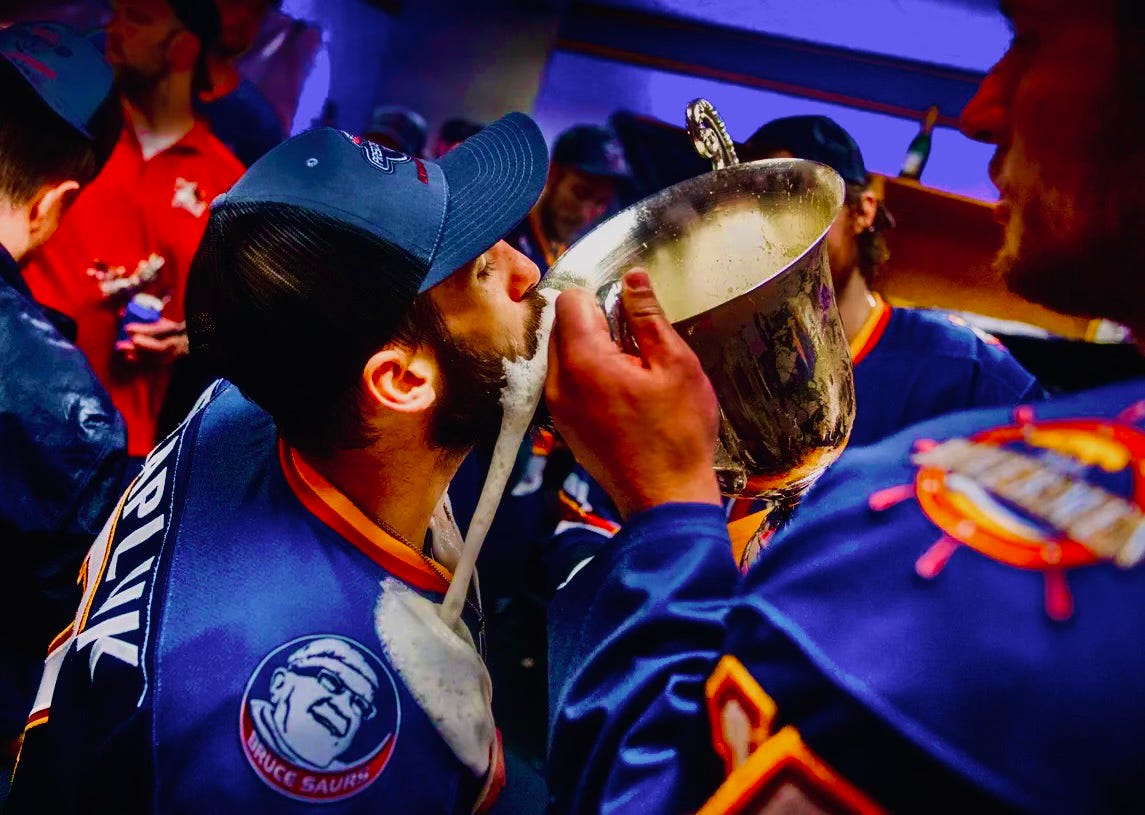
I made the team.
After more than a year away from the ice, I came to Baton Rouge, went through training camp, and earned an opportunity to continue playing professional hockey.
I feel gratitude. Love. Joy.
I’m grateful for the opportunity. Grateful for the people who helped get me here. Grateful to be back around the game. And grateful that I get to continue to do something I love.
But at the same time, I felt sadness and anger when a player who played such a big part in bringing me here was released.
I’ve been thinking about how all those emotions can exist together. Because they can.
I can be happy for myself and sad for somebody else.
I can appreciate the opportunity I’ve been given while understanding the disappointment someone else might be experiencing.
I can accept a decision without necessarily liking it.
I can celebrate making the team without forgetting the people who helped me along the way.
One perspective doesn’t have to erase another.
That is something I try to practice throughout my life. Seeing as many different angles as possible.
Not just the one that benefit me.
Not just the one that scares me.
Not just the one I wish were true.
All of them.
Every situation has more to it than what we’re experiencing personally.
Sometimes the most important thing we can do is recognize that our perspective isn’t the only one that exists.
Being a PlayerMaker doesn’t mean seeing everything positively. It means being willing to see things clearly, from more than one perspective, without abandoning your identity.
That perspective is something I try to bring into decisions before I even know how they’re going to turn out.
Choosing an Outcome Without Forcing It
Something I’ve learned throughout my years in professional hockey is that before making a big decision, I try to consider as many possible outcomes as I can.
The ones I want.
The ones I don’t want.
And the ones I might not even be thinking about yet.
Not because I can predict the future. But because I want to be prepared to experience it.
Before coming to Baton Rouge, I knew there were different possibilities.
I could make the team.
I could get released.
I could play well.
I could struggle.
I could find exactly what I was looking for or, I could discover that the opportunity wasn’t the right fit.
After considering those possibilities, I came back to something familiar.
My identity.
Who am I?
What do I believe in?
What do I want?
What kind of person am I going to be throughout this process?
And from there, I chose the outcome I wanted most.
I wanted to return to professional hockey. I wanted to make this team. I wanted to contribute and I wanted to do it while remaining true to myself.
So I committed myself to that direction.
I prepared. I competed. I showed up.
But I didn’t need to force every moment to unfold exactly how I imagined.
Choosing an outcome and controlling an outcome are two different things.
I can choose how I prepare. I can’t control every decision a coach makes.
I can choose to be a Total Teammate. I can’t guarantee every teammate will still be there after camp.
I can choose to approach this season as a PlayerMaker but that doesn’t mean everything will unfold exactly as I pictured it.
I can choose my direction without controlling the destination.
When something happens that I didn’t want, I can feel whatever comes with it.
Sadness. Anger.
Disappointment. Acceptance.
Gratitude. Love. Joy.
I don’t have to pretend those feelings aren’t there. I can acknowledge them without allowing them to decide who I become. And I don’t have to force one to remain the other.
The Practice
This practice is about pursuing meaningful opportunities without losing yourself in the outcome. Whether you’re trying to make a hockey team, starting a new job, moving somewhere unfamiliar, or making a difficult life decision, the process is the same.
SEE - Consider the Possibilities
Before entering a new situation, take a moment to consider the realistic outcomes.
What do I want to happen? What else could happen? What might I learn if things don’t go as planned?
The goal isn’t to predict everything. It’s to recognize that more than one outcome is possible.
BE - Return to Your Identity
Before deciding how to move forward, ask yourself:
Who am I? What do I value? What kind of person do I want to be throughout this experience? What qualities can I bring regardless of the outcome?
Remember that your circumstances can change without requiring your identity to change with them.
CHOOSE - Commit to your direction
Identity the outcome you want most. Be intentional about it.
Prepare. Compete. Learn. Adapt.
Take responsibility for what you can influence. Wanting something deeply isn’t he problem. Losing yourself in the wanting is where the Inner Rink work begins.
ALLOW - Act Without Forcing
Once you’ve committed to your direction, practice returning your attention to the present.
The next shift. The next conversation. The next decision. The next opportunity to contribute.
Let go of the need to control how every moment is received or evaluated. And when the outcome arrives, give yourself permission to experience the emotions that come with it.
You don’t have to like every outcome. You don’t have to pretend everything happens for a reason (I truly believe it does).
You can accept what happened, learn what you can, and decide how to move forward.
SEE. BE. CHOOSE. ALLOW
Not a guarantee of success. Just a way to pursue it without losing yourself.

Jessica’s Perspective - The Psychology of Wanting Without Forcing
There’s an important psychological distinction between wanting an outcome and becoming attached to it.
Wanting something gives us direction. It motivates preparation, effort, and commitment.
But when our sense of identity becomes dependent on achieving that outcome, the experience can change.
Instead of responding to the moment, we start anticipating what might happen next. Instead of trusting our preparation, we may begin trying to consciously control things that normally happen more naturally.
This is especially relevant in performance environments like training camp. Athletes are being evaluated. Roster spots are limited. The outcome matters.
The desire to belong can become intertwined with the fear of rejection. That combination can create internal pressure even when an athlete is physically prepared.
The pressure itself isn’t necessarily the problem. Our relationship with that pressure matters.
When we interpret every mistake as evidence that we don’t belong, we give individual moments more meaning than they deserve.
When we recognize a mistake as information, we create room to respond, adjust, and continue.
That is where identity becomes important.
A stable sense of identity can provide a reference point when circumstances change.
It doesn’t eliminate disappointment. It doesn’t guarantee confidence or remove the need to adapt. But it can help us separate what happened from who we are.
There’s another psychological element in this experience worth recognizing.
Emotional complexity.
Making the team can bring gratitude, joy, relief, and excitement. Watching someone who helped make that opportunity possible get released can bring sadness, anger, and disappointment.
Those emotions don’t cancel eachother out. They reflect different parts of the same experience. Allowing ourselves to recognize more than one feeling can help us develop a more complete understanding of what’s happening.
Acceptance doesn’t require approval. Gratitude doesn’t require ignoring disappointment. Confidence doesn’t require pretending that uncertainty doesn't exist.
Psychological flexibility is the ability to remain connected to our values while responding to changing circumstances.
We can acknowledge what we’re feeling without allowing every feeling to determine our next action. We can pursue an outcome without making our identity dependent on it. And we can consider different perspectives without abandoning our own.
The goal isn’t to stop wanting. It’s to remain ourselves while pursuing what matters.
This is where preparation meets trust. Where effort meets acceptance and where the work inside The Inner Rink becomes something we can carry into life beyond the game.

☀️Beyond The Rink
You don’t have to be a professional hockey player to understand this experience.
Maybe you’re starting a new job. Moving somewhere unfamiliar. Trying to earn a promotion. Joining a new group. Returning to something you haven’t done in years. Or making a decision that could change the direction of your life.
There’s a natural temptation to become whoever you think the new environment wants you to be. To say the right things. Act the right way. Make the right impression. And while growth sometimes requires us to change, it shouldn’t require us to disappear.
Bring your experience.
Bring your values.
Bring your willingness to learn.
Give yourself permission to be new at something without treating yourself like you’re starting over as a person.
You can pursue an opportunity with everything you have.
You can accept that other outcomes are possible.
You can feel gratitude when things work out and disappointment when they don’t.
You can belong somewhere new without becoming someone else.
🧠Reader Reflection
Think about an opportunity, challenge, or decision you’re currently navigating.
Ask yourself:
Am I pursuing what I want, or am I trying to force an outcome?
What thoughts or expectations are creating blockages inside my Inner Rink?
Who am I when things aren’t going the way I hoped?
Can I recognize more than one perspective without losing my own?
How can I contribute to the people around me while pursuing my goals?
What would it look like to trust myself and allow the process to unfold?
And one final question:
Can I remain true to who I am, even when I don’t know how the story ends?
Final Thoughts - Season Two Begins
I came to Baton Rouge after more than a year away from the ice.
I left home.
Entered a new locker room.
Met new teammates.
Competed for an opportunity.
Experienced my own doubts and expectations.
Listened to other players navigate theirs.
And watched someone who helped bring me here get released.
Through it all, I kept coming back to the same thing. My identity.
I’m a PlayerMaker.
And now, having made the team, I feel an incredible amount of gratitude for the opportunity to continue doing something I love. But I’m also carrying the lessons and emotions that came with getting here.
Making the team doesn’t men every part of the experience went the way I wanted and it doesn’t mean the Inner Rink work is finished.
If anything, it's just beginning.
There will be more challenges. More uncertainty. More opportunities. More moments where I’ll have to return to myself.
This is what Season Two of The Inner Rink is about.
Not waiting until the story is over to understand what happened. But practicing while it’s happening.
I didn't come to Baton Rouge knowing what was going to happen. I came knowing who I was going to be.
I know what I want. I know who I am. I don’t have to force one to remain the other.
You don’t have to want it less. You have to learn how to want it without losing yourself in the wanting.
Thats Training Camp: The Tryout Within
That’s The Inner Rink - LIVE
Thank yourself for showing up to practice today.
- Draps
The guy I wish I had when I was chasing the dream.
🏆Up Next in The Inner Rink:
Season Two - LIVE
The practices will follow the season as it unfolds.
New teammates. New roles. New challenges. New opportunities. Not after the story is finished.
While it’s happening.
The game continues. So does the practice.
DISCLAIMER
The Inner Rink shares educational content for athletes and readers interested in performance psychology, mindset, and discipline. It is not intended as medical, psychological, or therapeutic advice or to take the place of such advice or treatment from a personal physician. Always seek guidance from a qualified health care professional regarding your specific questions and individual situation.
That’s good!! Season 2 is out!!!
SICK!!!!!