


“The mind is where the real shift happens long before your skates ever touch the ice.”

What's up y’all ! Draps here.
I co-write The Inner Rink—a weekly practice about the psychology of performance, discipline, and greatness—on and off the ice.
I’m a pro hockey player turned writer and mentor—here to be the guy I wish I had when I was chasing the dream.
I’ve spent years training my mind the same way I trained my body.
Systems. Skills. Structure.
And then — the mental game behind all of it.
At every level — youth, junior, college, pro — I learned one truth:
Your mind decides your ceiling long before your skills ever do.
It actually took me until halfway through my first pro season to realize the real problem wasn’t my shifts on the ice — it was the shifts in my mind.
My Inner Rink.
And if you’ve ever caught yourself thinking…
“It’s not fair.”
“Coach doesn’t like me.”
“I didn’t play well because…”
…those are the hidden shifts.
The ones no one sees.
The ones that actually determine your performance — your identity — your future.
Let’s dive in.
Welcome back to The Inner Rink—where we break down the psychology of performance, discipline, and greatness, on and off the ice.
Today’s practice is about something every athlete experiences, but none understand:
The shift no one sees or the shift between shifts, really what I am talking about are the thoughts in your mind,
when you are warming up for the game
after you make a mistake
after you find out you’ve been taken off the power play
after coach yells at you
after the other team scores a goal
etc.
This moment…
isn’t on film
isn’t mentioned in scouting reports
isn’t coached
isn’t celebrated
…but it decides everything.
This is the real shift.
The one between the shifts.
The one inside the Inner Rink.
Let’s break it down.
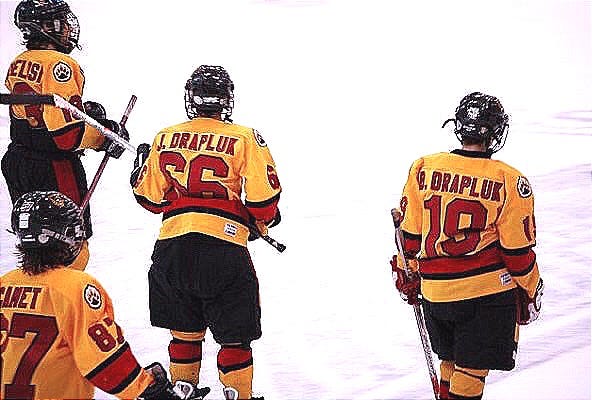
The Kid Who Played Not to Mess Up
Growing up, coaches called me a “no-mistake player.”
But behind that label wasn’t confidence.
It wasn’t poise.
And it definitely wasn’t mastery.
It was fear.
Fear of disappointing my dad.
Fear of the car ride home.
Fear of being compared to kids with more points.
Fear of one mistake erasing everything good I’d done.
I worked like a maniac.
I obsessed over details.
I refused to give anyone a reason to doubt me.
But none of it came from freedom.
It all came from fear.
Looking back now as a pro, I realized:
I did everything right physically…
and almost nothing right mentally.
I was winning the outer rink — and losing the inner one.
If you’ve been that kid, you know the feeling:
a bad shift feels like a character flaw
a turnover feels like an identity crisis
a missed pass feels like proof you’re not enough
That was my first Inner Rink — the one built on fear.
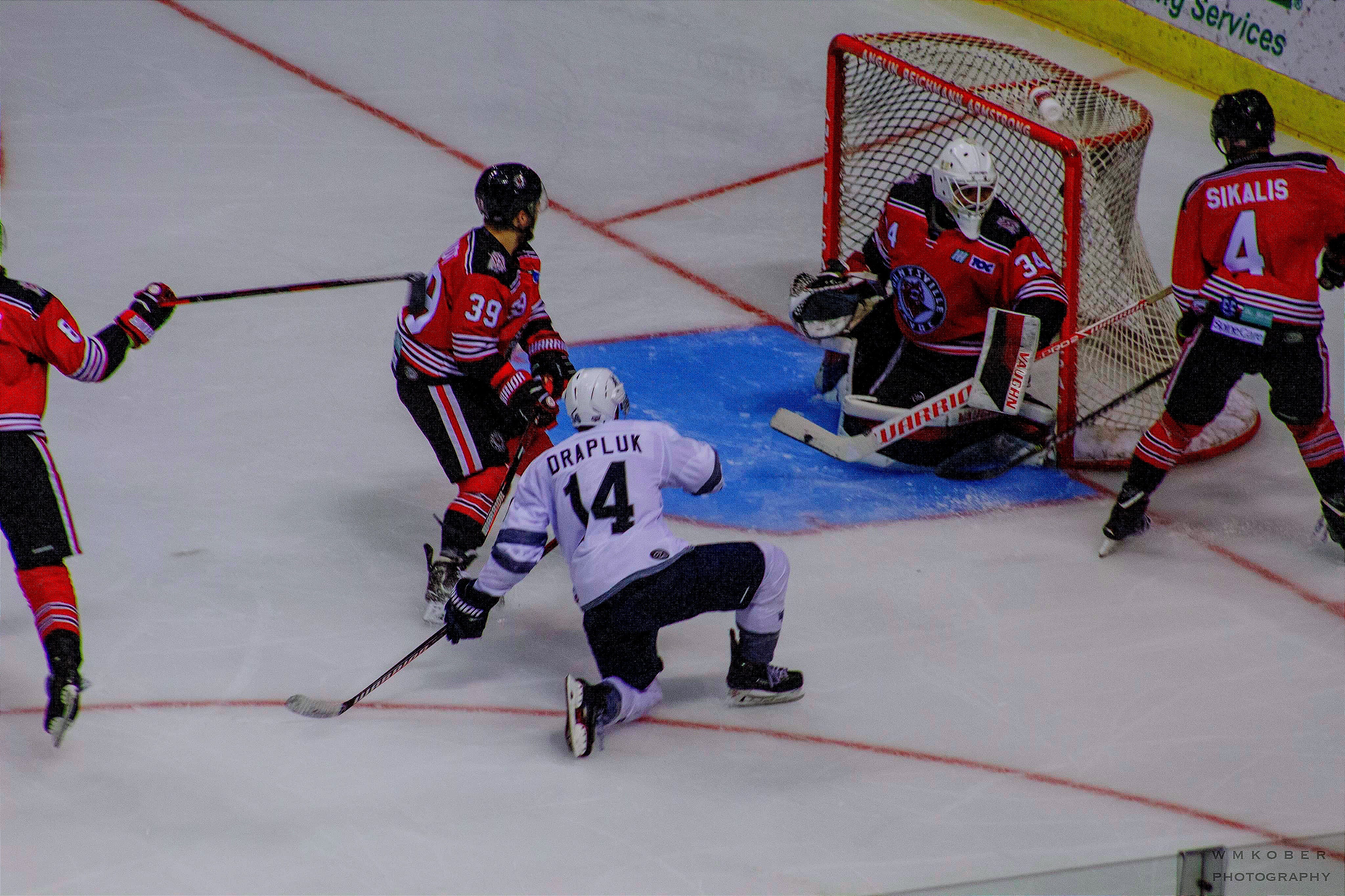
The Pro Who Invited The Right Mistakes
Years later, when I turned pro, everything changed.
Different league.
Different speed.
Different pressure.
And yet… I was still a low-mistake player — but for a different reason:
Trust.
I trusted myself to make plays.
I trusted my instincts.
I trusted my preparation.
I trusted the identity I stepped onto the ice with.
And here’s the surprising part:
I started inviting the right mistakes.
Not sloppy mistakes or careless mistakes, but the ones that come from actually trying to create something—the mistakes that only happen when you’re taking ownership of the game.
Because if you never make mistakes, you’re not pushing the play.
If you only make “safe” decisions, you’re not creating anything.
If you’re perfect all the time, you’re hiding.
Every goal begins with a risk and every breakout begins with a decision.
Every great player has a moment where they choose confidence over caution.
As a kid, I avoided mistakes because I was scared.
As a pro, I avoided mistakes because I understood the game better—and when I did make them?
I didn’t collapse, I didn’t spiral, and I didn’t tighten up. I reset. That is the real Inner Rink.

The Hidden Shift Between Shifts
Here’s what most athletes never learn:
The real game isn’t played during the shift. It’s played between them.
After every mistake, there’s a micro-second identity battle:
“Did everyone see that?”
“Coach is pissed.”
“Don’t screw up again.”
“I’m losing my spot.”
Most players spend their entire careers reacting to that voice.
But the best?
They do something different:
They reset instead of react.
That moment decides everything:
Confidence or collapse.
Trust or tension.
Growth or shrinking.
That moment is The Inner Rink.
And once you master it? The game slows down. You feel lighter. Mistakes stop feeling dangerous. And most of all, your confidence becomes untouchable.
The Neuroscience Behind the Spiral (and How Pros Override It)
Here’s something no one teaches you in youth hockey, but every pro eventually learns:
Your brain is wired to panic after a mistake.
It’s not weakness; it’s biology.
When you mess up, miss a pass, turn the puck over, or lose a battle, your brain treats it like a threat.
The amygdala fires.
Adrenaline spikes.
Your vision narrows.
Your body shifts into survival mode.
This is why one bad shift can suddenly feel like your entire identity is collapsing.
Your brain would rather replay the mistake a hundred times than face the uncertainty of the next decision, that’s how the human system is built.
But here’s what separates pros from everyone else:
We don’t override the mistake.
We override the brain’s threat response.
A single deep breath interrupts the amygdala loop and hands control back to the prefrontal cortex—the part of your brain responsible for decision-making, confidence, awareness, and composure.
That’s why great players aren’t calm because nothing goes wrong.
They’re calm because they know how to reset their brain the second it does.
This is the real skill: regaining control of your biology faster than it controls you. That’s the Inner Rink in its purest form.
Reset > React
This became the first real Inner Rink principle:
Reset > React
Average players react.
Great players reset.
Here’s the framework:
The Inner Rink RESET Framework
(Use this between every shift, or any hard moment in your life. (Change the Channel).
Awareness
Notice the story your mind is writing.
Don’t fight it. Observe it.
Interrupt
Break the spiral before it becomes identity.
One breath.
One grounding thought.
One pause
Rebuild
Choose the next thought on purpose.
Step back into the game as the version of you that actually wins.
We call this:
Notice → Break → Become
Because with every shift, you’re becoming someone. The question is whether you’re choosing that person—or reacting your way into a version you don’t want to be.
🧊Beyond The Ice
The Inner Rink isn’t just a hockey concept, it’s a human concept.
This same shift shows up in:
relationships
work
discipline
confidence
purpose
leadership
failure
identity
Most people live their entire lives reacting to mistakes.
Very few learn to reset.
But what you think in the moment after things go wrong is always more important than the thing that went wrong.
Greatness isn’t built in the shift. It’s built in the moment before it. That moment is The Inner Rink.

Final Thoughts
Most players think the game is decided by skill, speed, systems, or opportunity, but when you strip away the noise, it always comes down to one thing:
The Inner Rink
Anyone can look confident when the puck is on their tape and everything is going their way, but your real identity—the one that decides your ceiling—shows up in the moments where things fall apart.
If you can reset faster than you spiral, stay present when your brain wants to panic, and if you can trust yourself when the room gets quiet,
you become a different kind of player.
A dangerous one.
A grounded one.
A PlayerMaker.
Because that shift — the shift no one sees — builds your entire future.
Master that, and everything else in your game changes.
🧠 Reader Reflection
Think back to a recent moment in your sport or your life where you let a mistake define you. What would have changed if you had reset instead of reacted?
Sit with that.
That’s your Inner Rink speaking.
Thank you for showing up to practice today. I’ll see you next time.
—Joe Drapluk
The guy I wish I had when I was chasing the dream.
“Success is a state of mind. If you want success, start thinking of yourself as a success.” —Gary Mack
🥅 Thank You for Being Here & If You Want to Go Deeper
If this article resonated with you, consider joining the Captain’s Circle of The Inner Rink—a private space for players, high-performers, and competitors who want to master the mental game with deep frameworks, true confidence, and pro-level identity training.
Inside, we go deeper into:
mindset structures.
pressure psychology.
mental-reset systems
behind-the-scenes pro stories.
identity training
the real lessons no one teaches you.
No one teaches you how to master the moment after the mistake.
Until now.
🏆Up Next in The Inner Rink:
The Story You Tell Yourself
Why your identity—not your performance—determines your confidence.
DISCLAIMER
The Inner Rink shares educational content for athletes and readers interested in performance psychology, mindset, and discipline. It is not intended as medical, psychological, or therapeutic advice or to take the place of such advice or treatment from a personal physician. Always seek guidance from a qualified health care professional regarding your specific questions and individual situation.
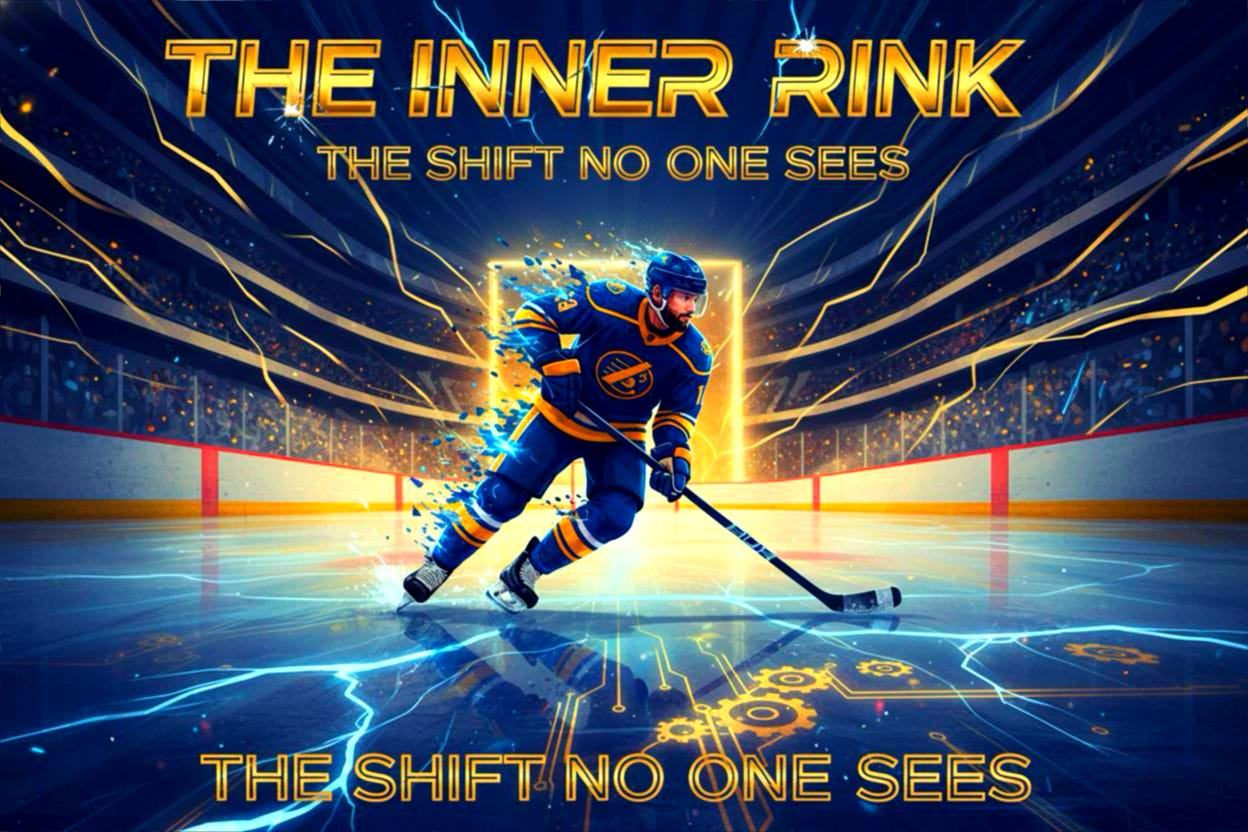
Super cool graphics dude
"The real game isn't played during the shift. It's played between them."
This applies way beyond hockey.
I'm 19, building in public, documenting everything. The hardest part isn't creating content or engaging—it's the voice after a bad day: "This isn't working. You should quit. Everyone else is growing faster."
Your "Notice → Break → Become" framework is exactly what I needed. The shift between shifts. The moment where you either spiral or reset.
The neuroscience behind it (amygdala firing, prefrontal cortex taking back control with one breath)—understanding the biology makes the reset feel less like willpower and more like technique.
"Reset > React" is going in my notes. Thanks for this.